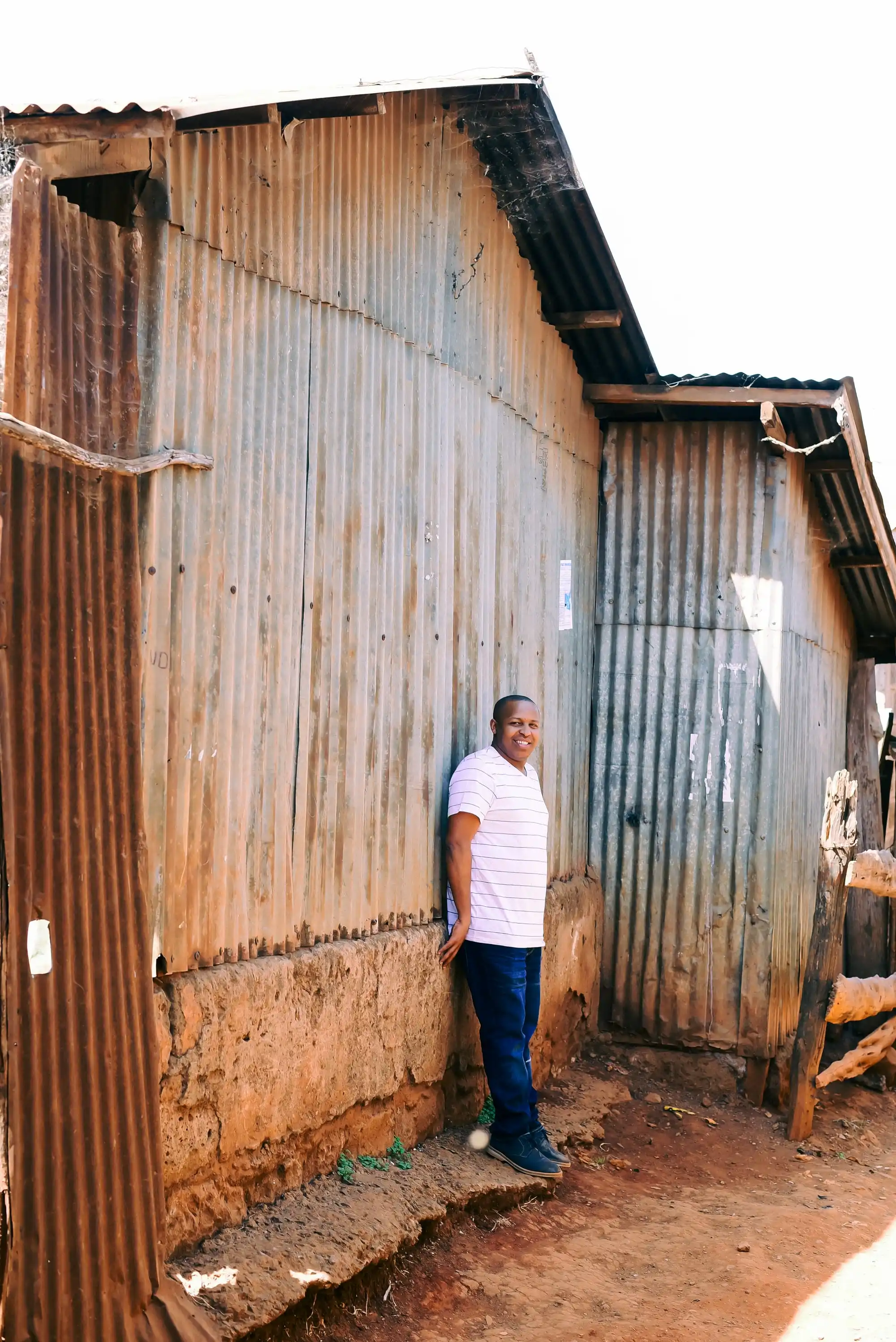
July 7, 1990Kawangware, Nairobi
I learned what power could do by watching the policeand what courage could do by watching my mother
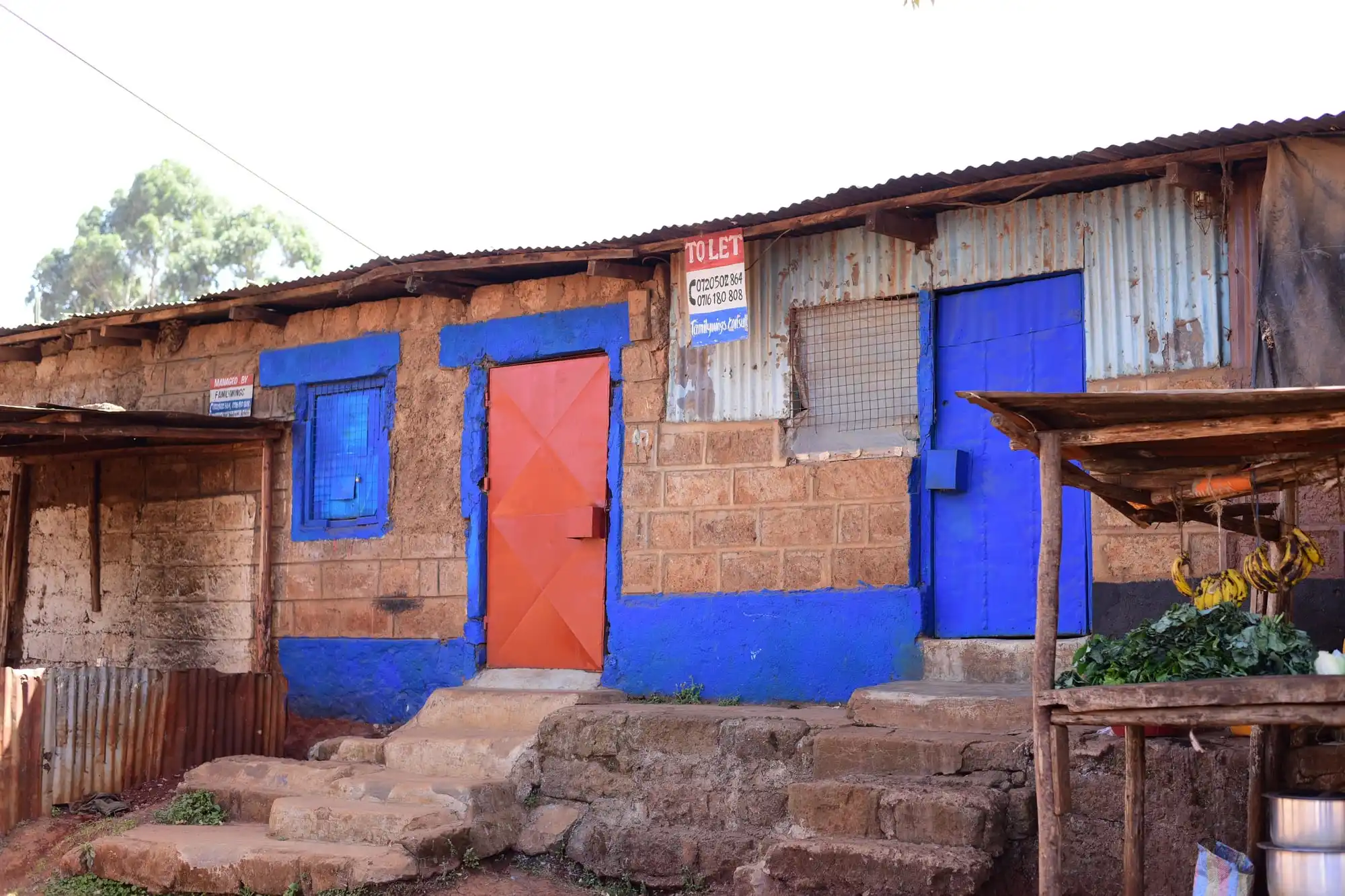
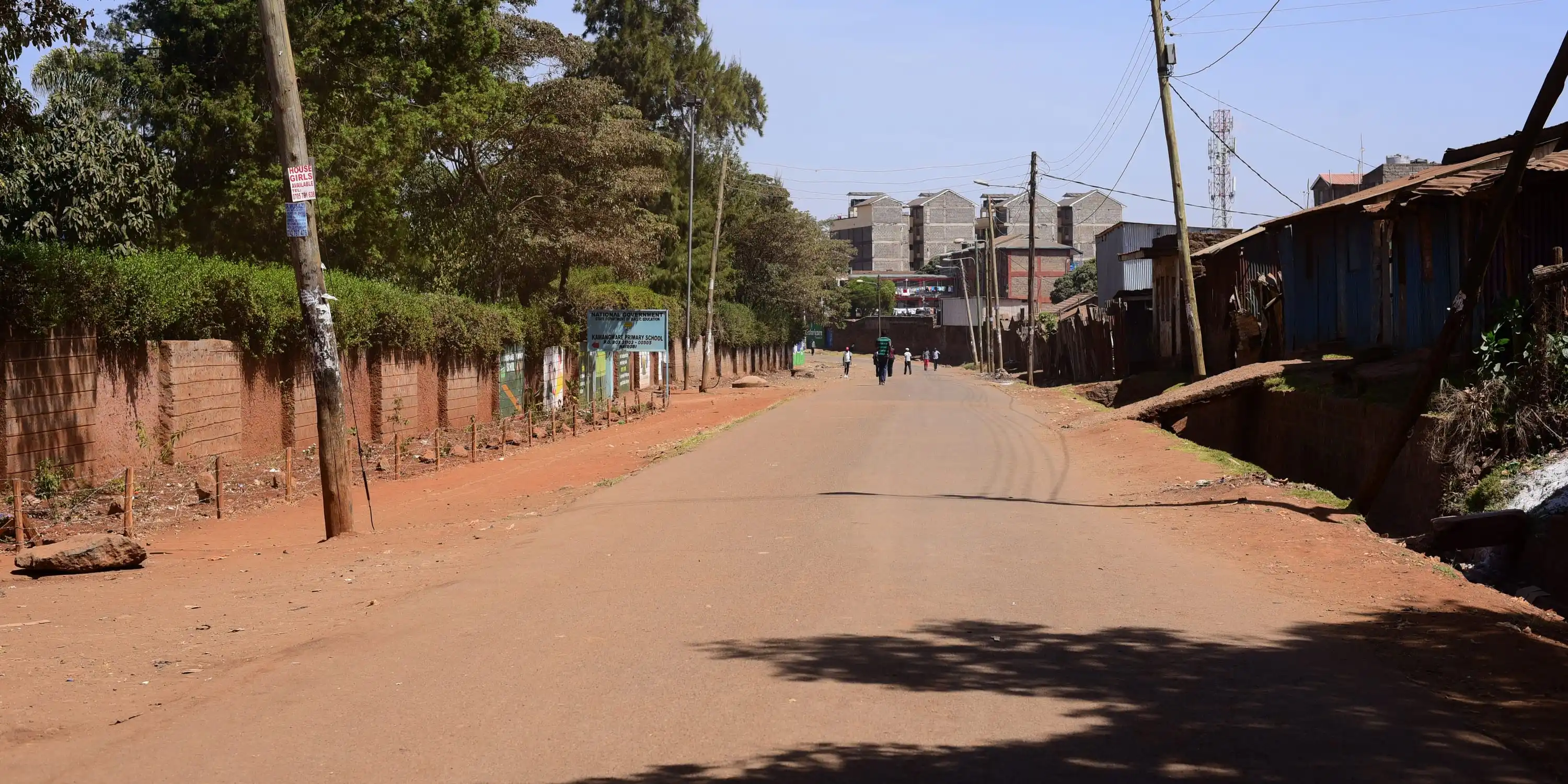
I was five when police swept through Kawangware during Kenya's first Saba Saba. The name is Swahili for "seven seven," after the date of that uprising against President Daniel arap Moi's one-party rule: July 7, 1990. I watched officers of the General Service Unit, Kenya's paramilitary police, slap my mother and beat our neighbor in front of us. Then they ordered us children to laugh at him and call him Kĩgũũya, Kikuyu for "the coward."
For years, I remembered him the way the police taught us to see him: as a coward. Only later did I understand what that morning cost him. He never walked again, and years later, he died.
On another day, a mob accused a young man of theft, forced a car tire over his neck, and set him on fire. While everyone else watched, my mother walked into the crowd and persuaded them to stop.
Mom's courage taught me to walk toward people the world pushes aside and declares disposable.